Enthusiasts Of British Motor Vehicles
  • Home
  • News
  • Events
  • Blogs
  • Photo Galleries
    • 2025 >
      • 2025 Kings Bromley Treasured Vehicle Show Photo Gallery
      • 2025 Gloucester Vintage & Country Extravaganza Photo Gallery
      • 2025 Superb Snowdonia Tour ​Photo Gallery
      • 2025 Pride of Longbridge Show ​Photo Gallery
      • 2025 NEC Resto Show ​Photo Gallery
      • 2025 Yorkshire Moors & Coastal Towns Tour ​Photo Gallery
    • 2024 >
      • 2024 BL Autumn Rally ​Photo Gallery
      • 2024 Fabulous Fourth Peak District Tour Gallery Gallery
      • 2024 Glos Vintage & Country Extravaganza Gallery
      • 2024 North Devon Tour Photo Gallery
      • 2024 NEC Restoration Show Photo Gallery
      • 2024 Norfolk Tour Photo Gallery
      • 2024 Coal in the Valleys Photo Gallery
    • 2023 >
      • 2023 NEC Classic Motor Show Photo Gallery
      • 2023 Fat Lamb 3 Tour Photo Gallery
      • 2023 Warwickshire Tour Photo Gallery
      • 2023 Lucas isn't bored Photo Gallery
      • 2023 Gar's birthday tour of Devon Photo Gallery
      • 2023 Shropshire Tour Photo Gallery
      • 2023 Anglesey & Snowdonia Tour Photo Gallery
    • 2022 >
      • 2022 Classic Motor Show Gallery
      • 2022 Fat Lamb Tour Gallery
      • 2022 NC500 - the Grand Tour of the Scottish Coast Photo Gallery
      • 2022 Glos Vintage & Country Extravaganza Gallery
      • 2022 Best of Yorkshire Tour Gallery
      • 2022 Peak District Revisited Tour Gallery
      • 2022 Gaydon Weekend Gallery
      • 2022 NEC Resto Show Gallery
      • 2022 Forest of Dean Winter Tour Gallery
    • 2021 >
      • 2021 Classic Motor Show Gallery
      • 2021 Fat Lamb Tour Gallery
      • 2021 Welsh Tour Gallery
      • 2021 Jurassic Coast Tour Gallery
      • 2021 Crich Museum & Tour Gallery
      • 2021 Staffs Oatcake Tour Gallery
      • 2021 Boston CCC Show Photo Gallery
    • 2019 >
      • Yorkshire Moors Driving Tour 2019
      • Lancaster Insurance Classic Motor Show NEC Nov 2019
      • New Forest Driving Tour 2019
      • Gloucester Vintage & Steam Extravaganza Photo Gallery 2019
      • Tour of the Dark Peak Photo Gallery 2019
      • Codgers do the Cotswolds 2019
      • Bubble Car Museum Gallery 2019
      • Brecon Beacons driving tour 2019
      • Morgan Factory tour 2019
      • Practical Classics Classic Car & Restoration Show 2019
    • 2018 >
      • Lancaster Insurance Classic Motor Show NEC November 2018
      • Isle of Wight Tour 2018
      • Brunel's Somerset Tour Gallery 2018
      • Gloucester Vintage Extravaganza 2018
      • Maesteg Charity Classic Car Show & Driving Tour 2018
      • Bubble Car Museum & Driving Tour 2018
      • Peak District Driving Tour 2018
      • Practical Classics Classic Car & Restoration Show 2018
      • Coventry Transport Museum 2018 >
        • Joel Lodder's 2018 Coventry meet gallery
    • 2017 >
      • Lancaster Insurance Classic Motor Show NEC November 2017
      • Snowdonia Driving Tour 2017
      • Gloucester Vintage Extravaganza 2017
      • Lupin Farm Charity Car Show 2017
      • The Shackleton Trust 2017
      • Crich Tramway Museum 2017
      • Bubble Car Museum 2017
      • Pride of Longbridge 2017
      • April 2017 Practical Classics Restoration Show (NEC)
    • 2016 >
      • Crich Tramway Museum 2016
    • 2015 >
      • Bubble Car Museum 2015
      • Coventry Transport Museum 2015
  • YouTube
  • Insurance
  • Shop
  • Mailing List
  • Contact
  • Join
  • About

blogs

Categories

All
Alan Warwick
Andy Perman
Anthony Osborne
Austin Mini
Brett Richardson
Brian Allison
Brits Abroad
Callum Tooey
Classic Motor Show
Daniel Bysouth
Drive It Day
Eddy Glass
Eric Dalton
Focus On British Classics
Gar Cole
Graeme Moore
Graham Hemsley
Group Events
Group Tours
Gus Brooks
Holly Bush
In The Workshop
Jim Lodder
Joel Lodder
John Lonergan
John O'Cean
John Simpson
Kevin Thompson
Mark Smith
Matthew Homburg
Members Classics
Members Recollections
Mick Masters
Mike Peake
Nicholas Webb
Nick Arthur
Nigel Hughes (Vauxhall Cavalier & Chevette Club PR)
Paul Sweeney
Projects
Steve Favill
The Weekly Groan
Tony "Tosh" Brooks
Unsung Heroes
VLOG
YouTube

Archives

September 2025
August 2025
July 2025
June 2025
May 2025
April 2025
March 2025
February 2025
January 2025
December 2024
November 2024
October 2024
September 2024
August 2024
July 2024
June 2024
May 2024
April 2024
March 2024
November 2023
October 2023
September 2023
August 2023
July 2023
June 2023
May 2023
April 2023
March 2023
January 2023
December 2022
November 2022
October 2022
September 2022
August 2022
July 2022
June 2022
May 2022
April 2022
March 2022
February 2022
January 2022
December 2021
November 2021
October 2021
August 2021
July 2021
June 2021
May 2021
April 2021
February 2021
December 2020
October 2020
September 2020
August 2020
July 2020
June 2020
May 2020
April 2020
November 2019
October 2019
September 2019
August 2019
July 2019
June 2019
May 2019
April 2019
March 2019
February 2019
December 2018
November 2018
October 2018
September 2018
August 2018
July 2018
June 2018
May 2018
April 2018
March 2018
February 2018
January 2018
December 2017
November 2017
October 2017
September 2017
August 2017
July 2017
June 2017
May 2017
April 2017
March 2017
February 2017
January 2017
December 2016
November 2016
September 2016
August 2016
June 2016
May 2016
April 2016
March 2016
February 2016
January 2016
December 2015
Video - Lucas Isn't bored - Blackpool Pleasure Beach 2023

31/7/2023

0 Comments

 
"Lucas isn't bored" was filmed on the day in July 2023 when members of our touring section visited Blackpool's famous Pleasure Beach for a day of kart racing, bumper cars, roller coasters and 10-pin bowling. The idea was the give young Lucas a good day out as a way of thanking him for tolerating the many classic car tours he's been on with the group.

Starting with Ian's classic Ford Zephyr and Gar's MK1 Mondeo driving from their campsite to Blackpool, we see the gang enjoying Formula K kart racing, bumper cars, the Grand National and Icon roller coasters, the famous Valhalla ride and finally a session of 10-pin bowling to finish the day. A splendid time was had by all!

There is also an official photo gallery of the day which can be seen here. 

0 Comments

Unraveling the Myth: Was the Morris Marina really the worst car ever built?

26/7/2023

5 Comments

 
Written by John O'Cean.

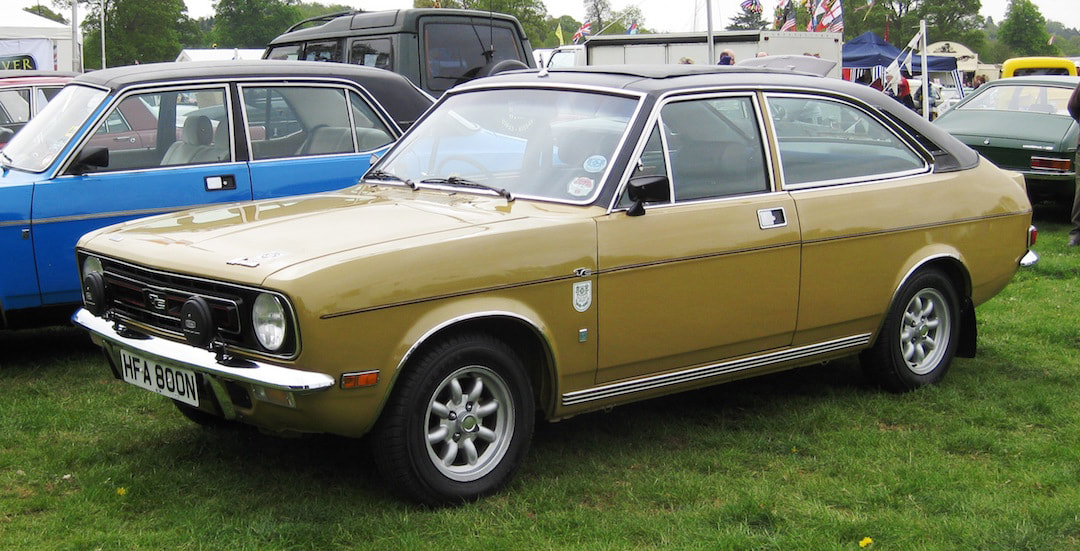
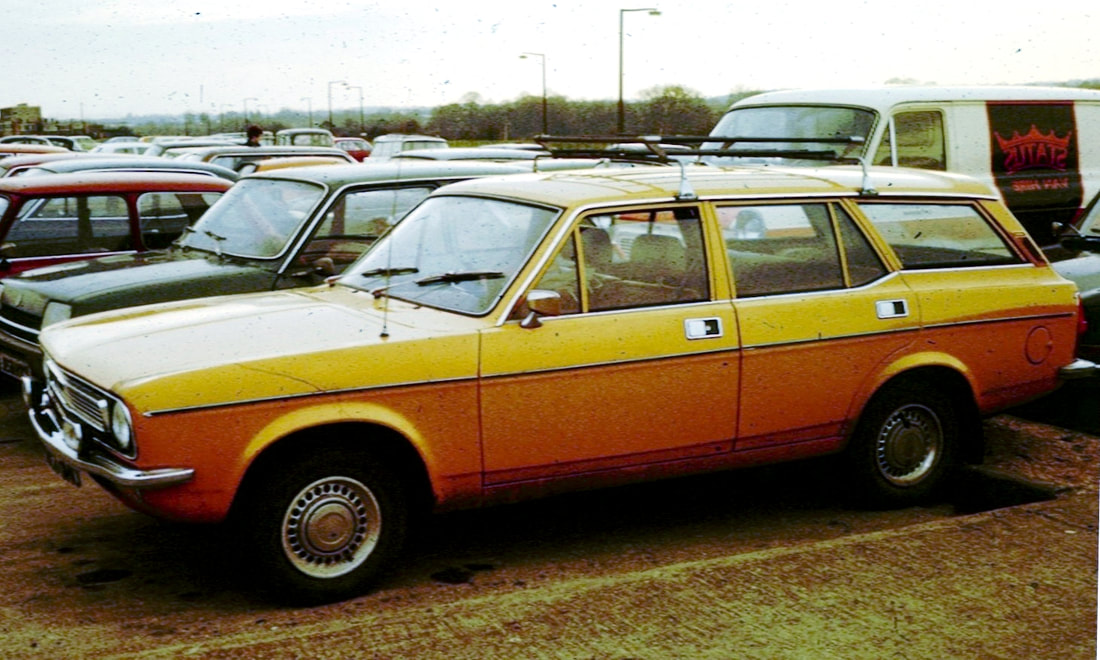
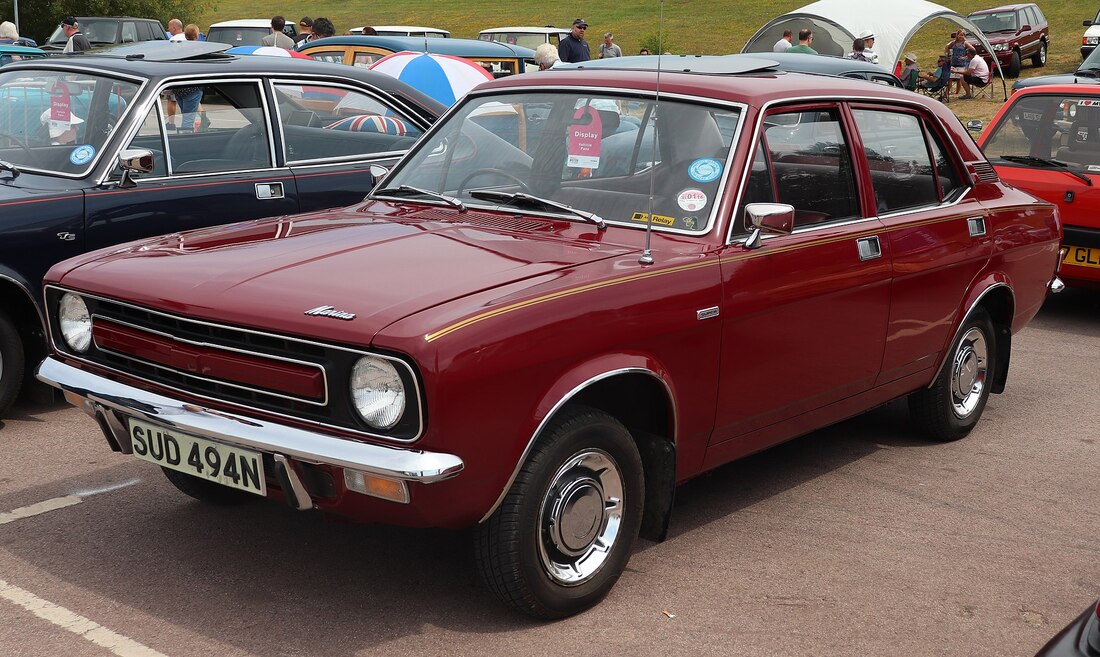
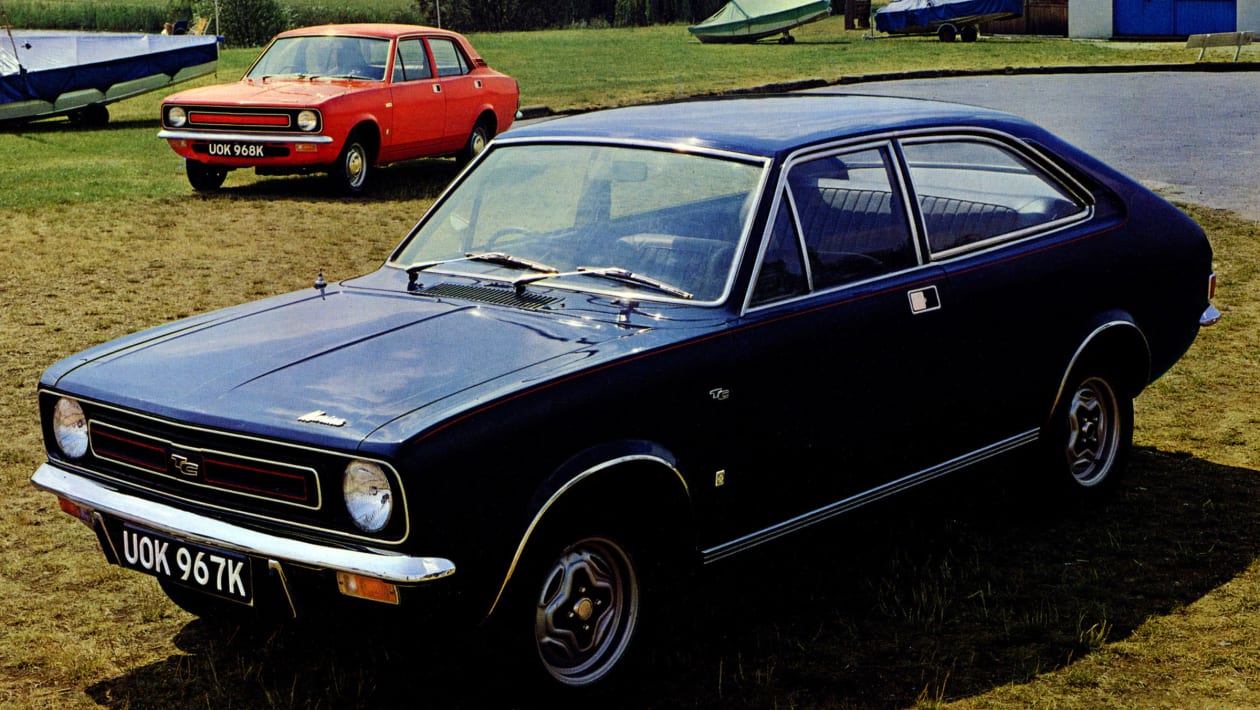
Morris Marina - the worst car ever built? 

In the realm of automotive history, certain models have gained notoriety, often becoming the subject of heated debates and strong opinions. The Morris Marina, produced by British Leyland from 1971 to 1980, is one such car that has been labeled by some as the worst vehicle ever built. In this blog, we delve into the controversies, explore the facts, and unravel the myth surrounding the Morris Marina to uncover the truth behind its reputation.

A Question of Timing and Expectations
To understand the perception of the Morris Marina, it is crucial to consider the context of its introduction. The early 1970s marked a tumultuous period for the British automotive industry, with economic challenges, ineffectual management, labour disputes and quality control issues plaguing many manufacturers. Against this backdrop, the Marina was launched as a replacement for the popular Morris Minor, a tough act to follow.

Design and Engineerin:
Critics often point to the design and engineering of the Morris Marina as key factors contributing to its negative reputation. It featured a conventional and somewhat uninspiring design, lacking the flair and innovation seen in some of its competitors. Additionally, quality control issues and reliability concerns during its early production years further fueled the negative sentiment. However, it's essential to note that the Marina was not without its merits. It offered a spacious interior, decent road manners, and a range of engine options, including the 1.3 and 1.8-litre engines that proved popular among buyers.

Market Response and Sales Success
Despite the criticism, the Morris Marina experienced significant commercial success. It quickly became one of the best-selling cars in the United Kingdom, with British Leyland selling hundreds of thousands of units. The Marina's affordability, practicality, and widespread availability appealed to many buyers, contributing to its commercial success during its production years.

Legacy and the Power of Perception
Over time, the negative reputation of the Morris Marina grew, fueled by anecdotes, media coverage, and popular culture references. The perception of it as a poorly-built and unreliable vehicle solidified in the public consciousness, creating a lasting impression that continues to be perpetuated today. However, it's worth acknowledging that the Marina was not alone in facing quality control issues and criticism during its era. Many other cars from various manufacturers shared similar challenges, but their reputations did not reach the same level of notoriety.

Summary
Was the Morris Marina really the worst car ever built? The answer is more nuanced than a simple yes or no. While the Marina had its share of design and reliability issues, it also had its strengths and achieved notable commercial success. Its reputation as the worst car ever built is, to some extent, a result of a perfect storm of factors—timing, expectations, and perceptions that have been perpetuated over time. Ultimately, the Morris Marina's legacy teaches us the power of public perception and the importance of critically evaluating the broader context when assessing the reputation of any vehicle. As British motor enthusiasts, let's embrace a balanced perspective that acknowledges both the shortcomings and the positive aspects of the cars that have shaped our automotive history.
5 Comments

Video: Winter Deco Vintage Car Parade

24/7/2023

0 Comments


Napier's Winter Deco Vintage Car Parade 2023

Napier's annual Winter Deco celebrations included a vintage car parade through the city centre. Whilst on a smaller scale than the Summer Deco parade held in February each year, it was nevertheless a spectacular parade honouring all the emergency workers involved in the aftermath of Cyclone Gabrielle earlier this year.

​Cars proudly taking part included classics from several British manufacturers including Rolls-Royce, Rover, Armstrong-Siddeley, Triumph, Austin, Morris and Land Rover in addition to a number of American automobiles - Ford, Willys, Buick, Studebaker and more.
0 Comments

Video: Classic cars touring Anglesey & Snowdonia, North Wales 2023

17/7/2023

0 Comments


THE OFFICIAL VIDEO FROM THE GROUP'S HIGHLY SUCCESSFUL TOUR IN NORTH WALES IN JUNE

Highlights included the lovely transport museum on Anglesey - Tacla Taid, the famous Menai Bridge, beautiful Beddgelert, a ride on the Highland Railway at Porthmadog and of course some truly stunning scenery in Snowdonia National Park. Not enough ice cream though!
0 Comments

Triumph: A Storied Legacy in British Automotive History

17/7/2023

2 Comments

 
Written by John O'Cean.
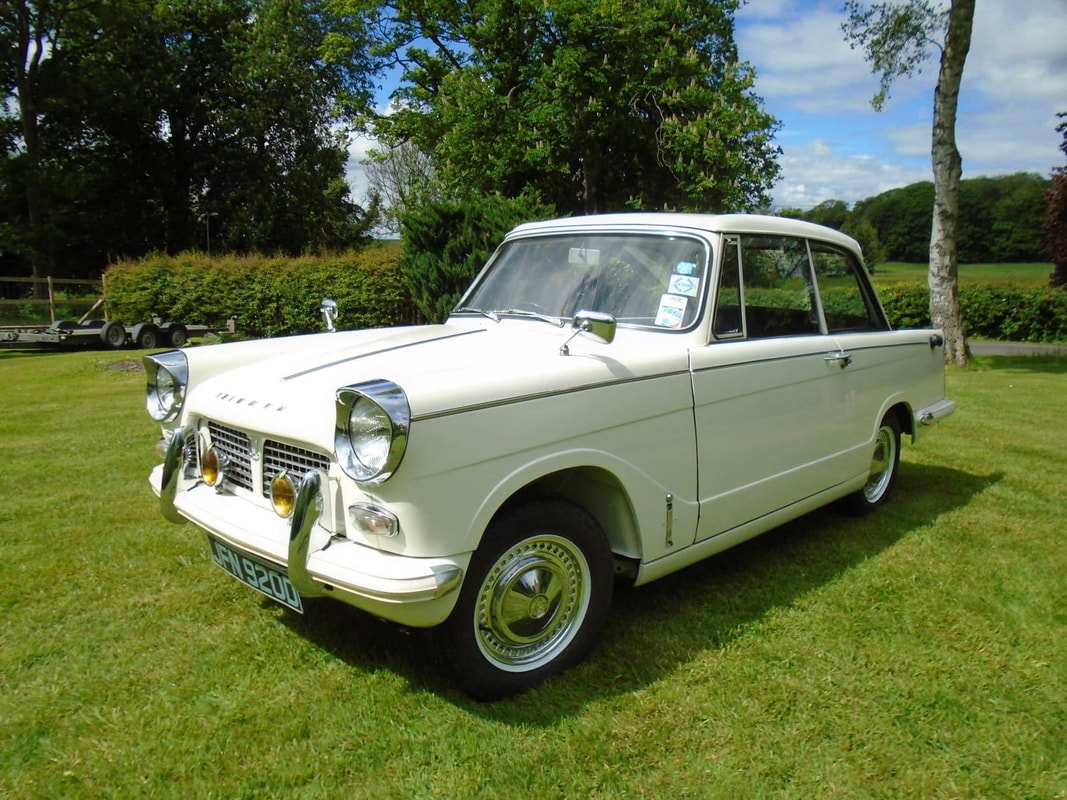
1966 Triumph Herald
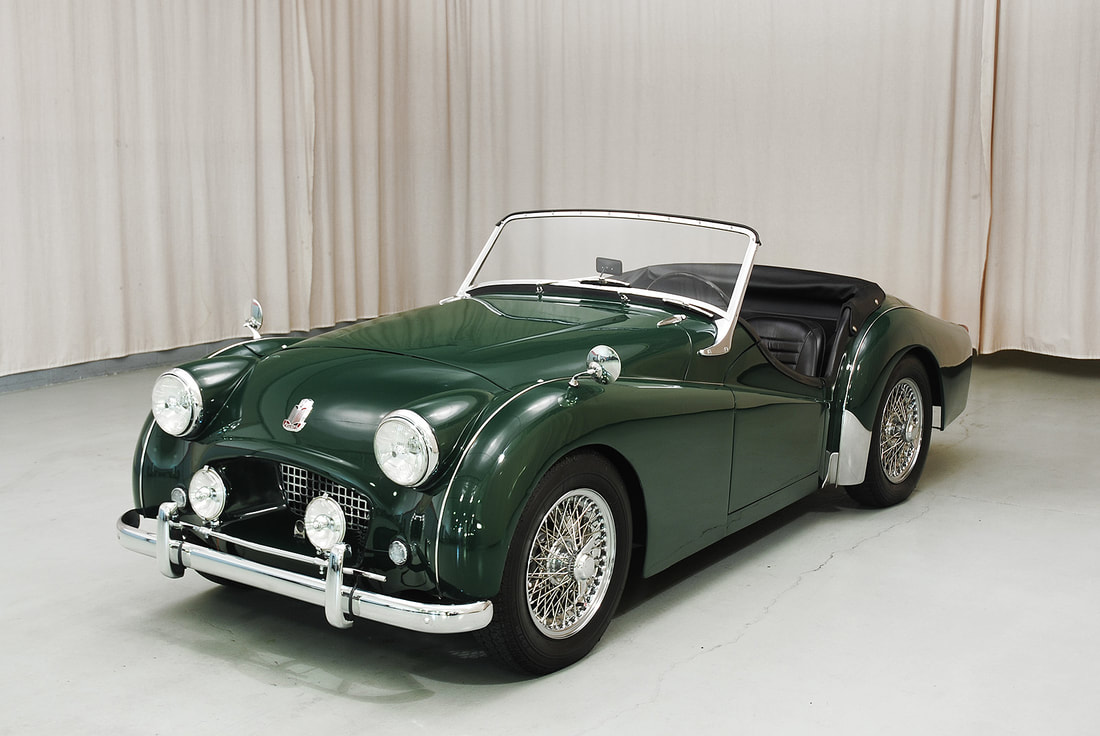
1954 Triumph TR2
1954 Triumph TR2
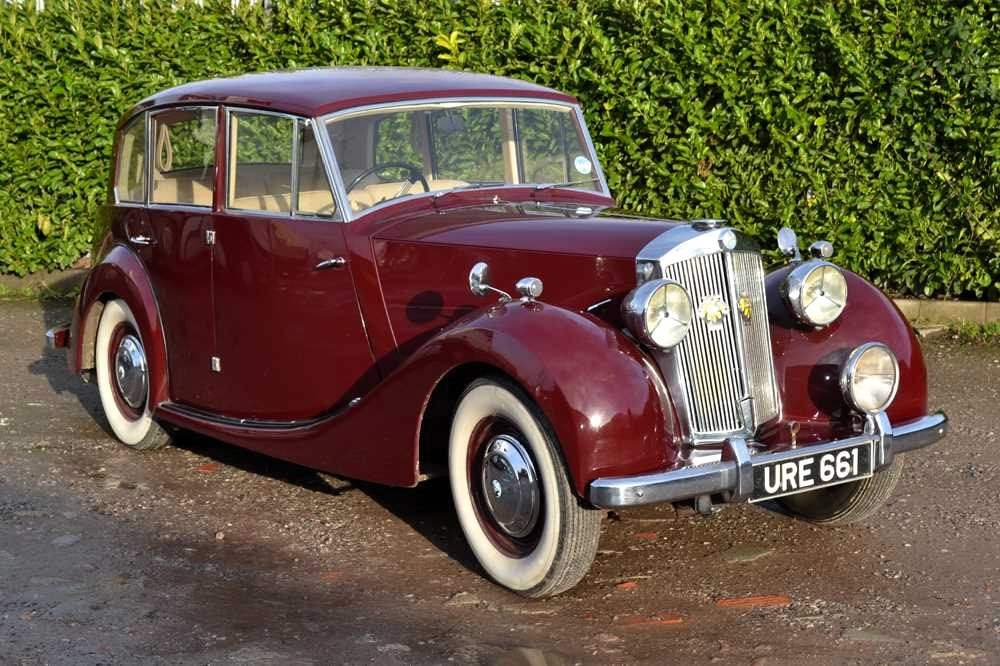
1950 Triumph Renown
1950 Triumph Renown
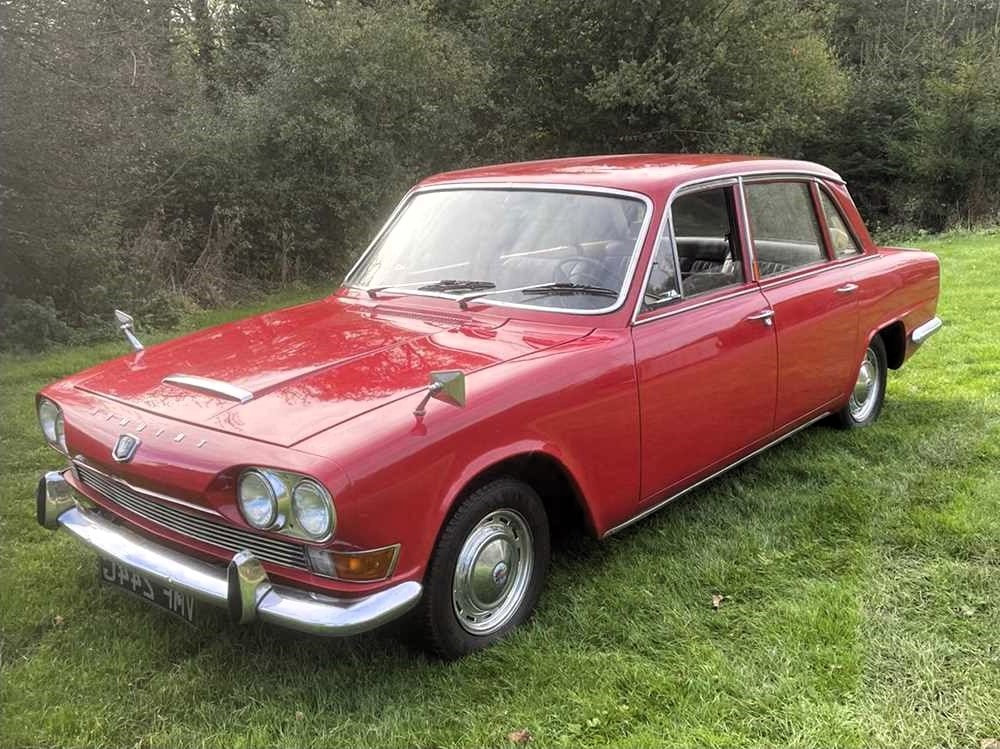
1968 Triumph 2000
1968 Triumph 2000
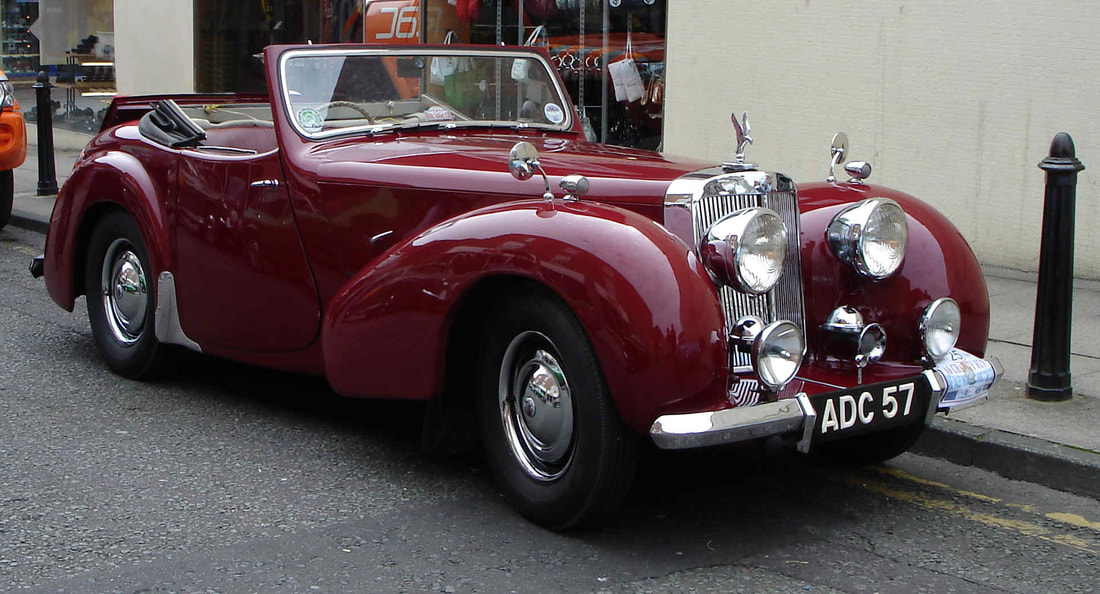
1948 Triumph Roadster
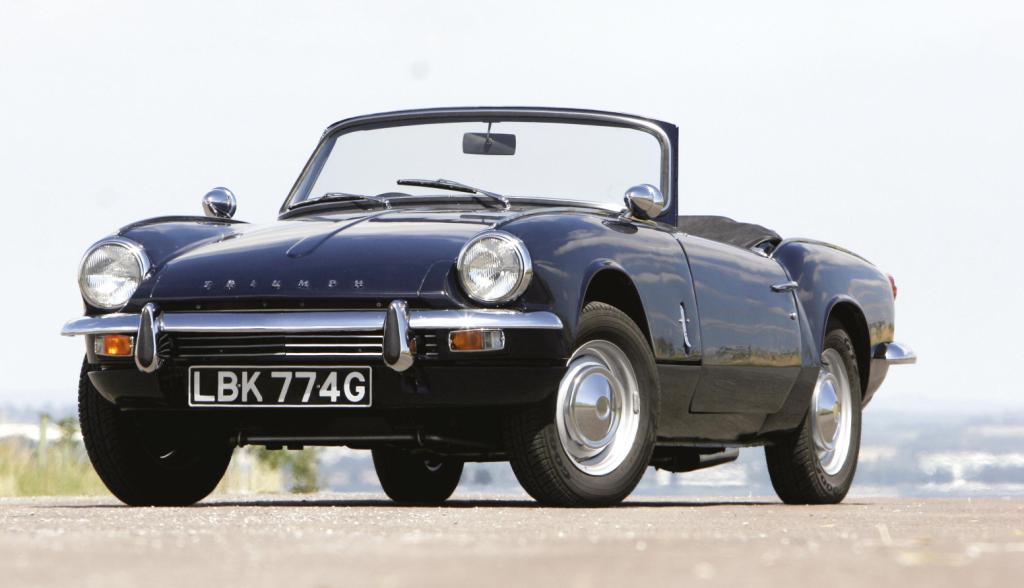
1968 Triumph Spitfire
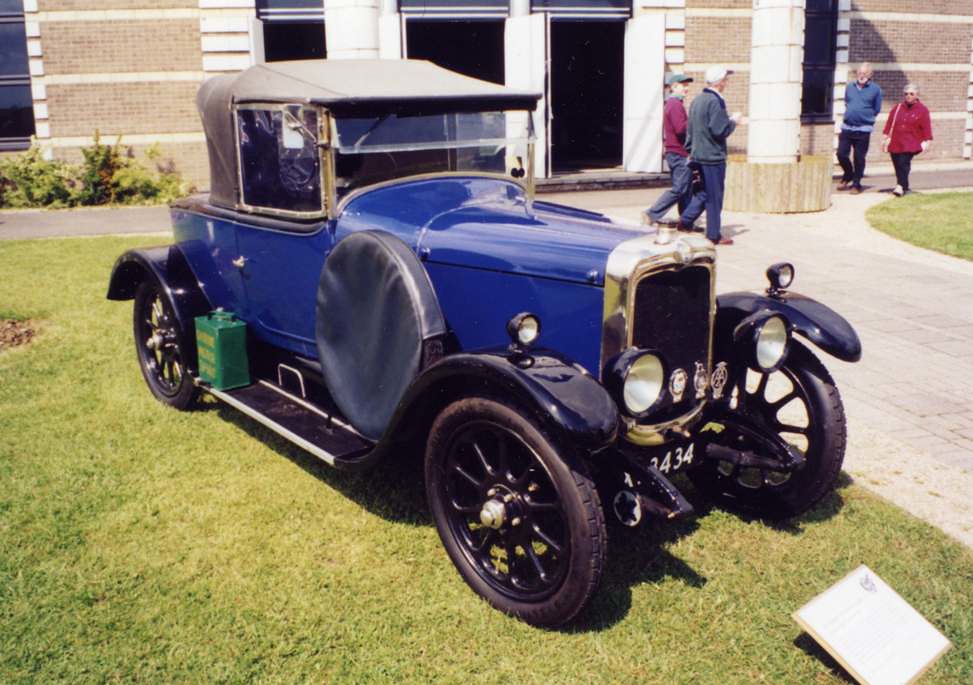
1923 Triumph 10/20
1923 Triumph 10/20
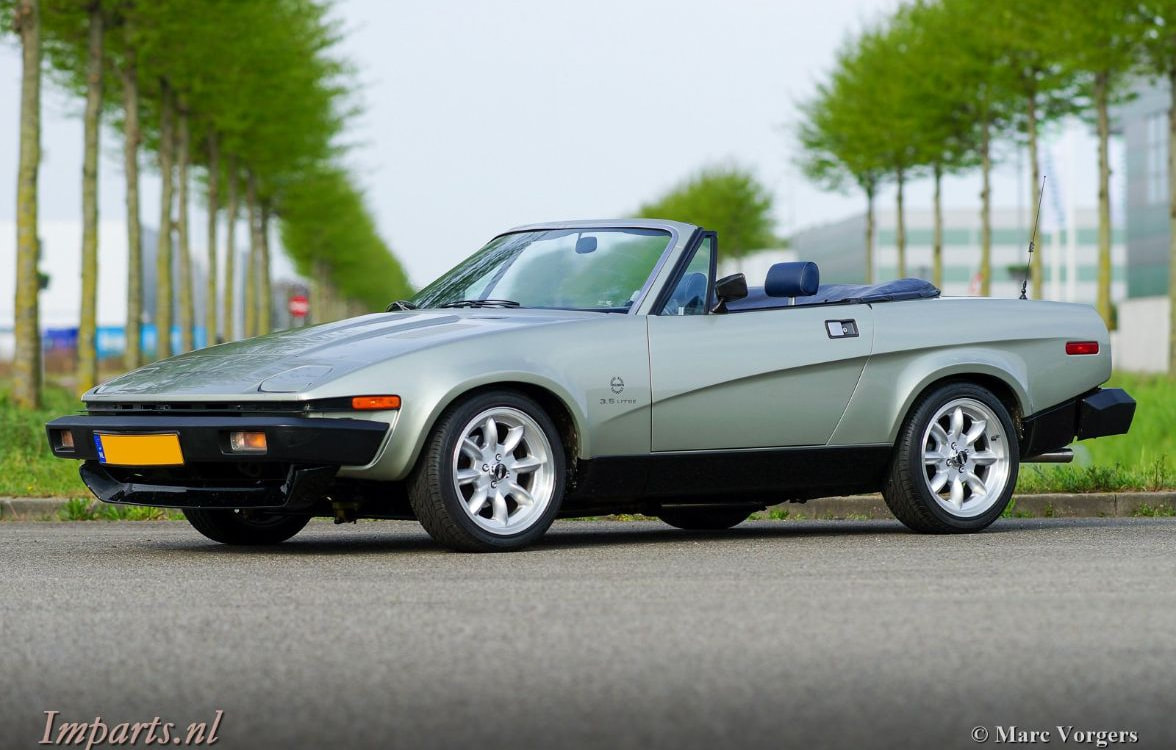
1980 Triumph TR8
1980 Triumph TR8
In the annals of British automotive history, few marques have left an indelible mark like Triumph. With its innovative engineering, stylish design, and rich heritage, Triumph captivated the hearts of driving enthusiasts around the world. Join me as we delve into the captivating history of this iconic British car maker, tracing its journey from humble beginnings to becoming a legendary name on the roads.

The Early Days
The story of Triumph began in 1885 when Siegfried Bettmann, a German immigrant, established a modest bicycle manufacturing company in Coventry, England. Known as S. Bettmann & Co., the firm initially focused on importing and selling bicycles before embarking on its own production.

The company's success in the bicycle industry paved the way for a natural transition into motorcycles. In 1902, Triumph unveiled its first motorcycle, powered by a Belgian-built engine. The motorcycles quickly gained popularity, thanks to their reliability and performance, establishing Triumph as a prominent player in the burgeoning two-wheeled world.

Venturing into Four Wheels
Buoyed by their success in the motorcycle realm, Triumph set its sights on conquering the automobile market. In 1923, the company introduced the Triumph 10/20, its first foray into four-wheeled transportation. Although modest in power and size, the 10/20 showcased Triumph's commitment to quality craftsmanship and engineering excellence.

As the 1930s unfolded, Triumph ventured further into the realm of automobiles, producing a series of stylish and innovative models. The Triumph Dolomite, introduced in 1934, gained accolades for its advanced engineering, including an all-independent suspension system—an innovation ahead of its time.

Post-War Renaissance
The aftermath of World War II presented both challenges and opportunities for the British automotive industry. Triumph, like many other manufacturers, faced the daunting task of rebuilding. However, the company's resilience and determination shone through.

In 1946, Triumph unveiled the iconic Triumph Roadster, a true symbol of post-war optimism. Boasting a distinctive exterior design, the Roadster became an instant classic and set the stage for Triumph's resurgence in the years to come.

The Golden Era
The 1950s and 1960s marked the golden era for Triumph, as the company introduced a series of models that would forever etch its name in automotive history. The Triumph TR series, beginning with the TR2 in 1953, captured the essence of the open-top sports car. With their sleek lines, powerful engines, and exhilarating performance, the TR models garnered a devoted following among driving enthusiasts worldwide.

Triumph's triumphs didn't stop there. In 1959, the company unveiled the Triumph Herald, a compact family car that blended style, practicality, and affordability. The Herald's success paved the way for further innovations, including the introduction of the Triumph Spitfire, a nimble and agile sports car that embodied the spirit of open-top motoring.

The Merger and Decline
The 1960s also brought significant changes to the British automotive industry, with mergers and acquisitions reshaping the landscape. In 1960, Standard-Triumph merged with Leyland Motors, forming the British Leyland Motor Corporation. The merger opened new opportunities for Triumph, but it also marked the beginning of a challenging period.

The 1970s and 1980s were marked by labour disputes, financial difficulties, and a changing automotive landscape. Despite efforts to reinvent itself and introduce new models like the Triumph TR7, the company struggled to maintain its position in a fiercely competitive market.

The Legacy Lives On
While Triumph's automotive production eventually ceased in the 1980s, its legacy continues to resonate today. The marque's rich heritage lives on through passionate enthusiasts, who meticulously restore and preserve Triumph's iconic models.

Triumph's influence can also be seen in the revival of the Triumph motorcycle brand, which emerged as a separate entity from the automotive division. Triumph Motorcycles, established in 1984, carries forward the spirit of innovation, craftsmanship, and British engineering excellence that defined the original company.

Summary
Triumph's journey through the annals of British automotive history is one of successes, challenges, and enduring legacy. From its humble beginnings as a bicycle manufacturer to its status as a revered name in sports cars, Triumph captivated generations of driving enthusiasts. While the company's automotive production may have come to a close, its spirit lives on, forever etched in the hearts of those who appreciate the artistry and craftsmanship of British motoring.
​
As we look back on the storied history of Triumph, we are reminded of the power of ingenuity, determination, and a passion for the open road. The Triumph name continues to evoke a sense of nostalgia, a connection to a bygone era of automotive excellence. So, let's raise a glass to the legacy of Triumph and the timeless allure of British motoring.
2 Comments

A brief history of Vauxhall Motors

8/7/2023

3 Comments

 
Written by John O'Cean.

Vauxhall Motors: ​DRIVING THROUGH A RICH TAPESTRY OF BRITISH AUTOMOTIVE HISTORY

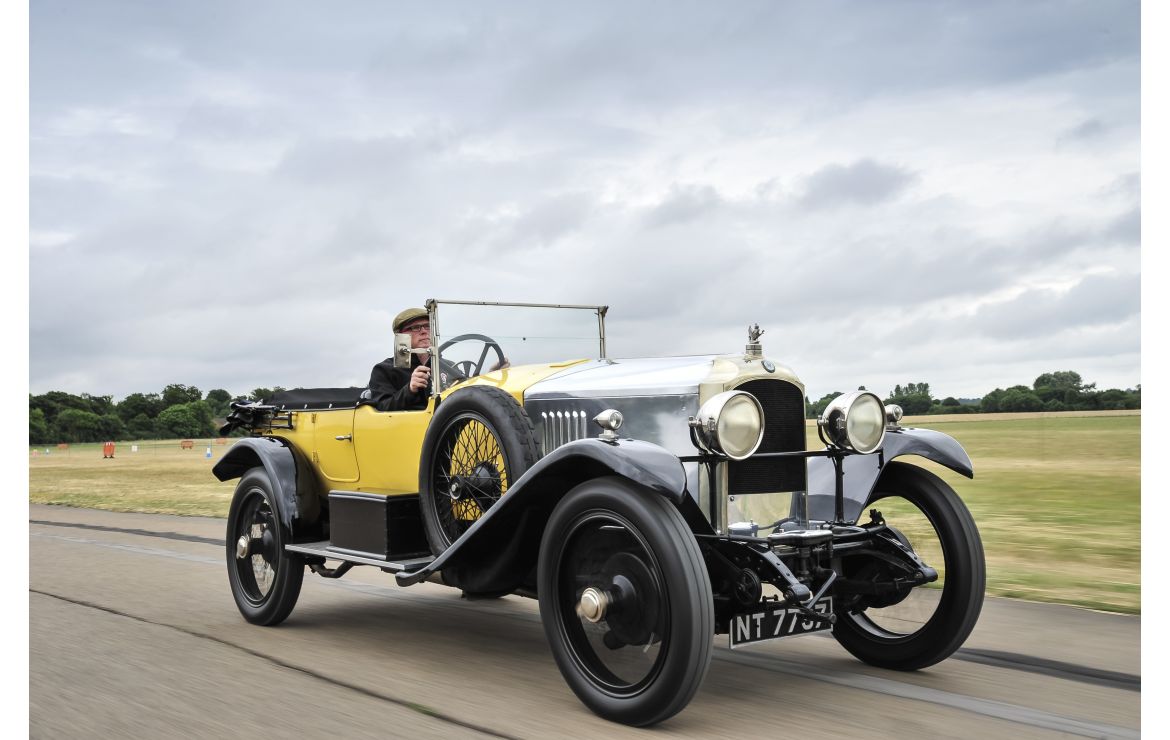
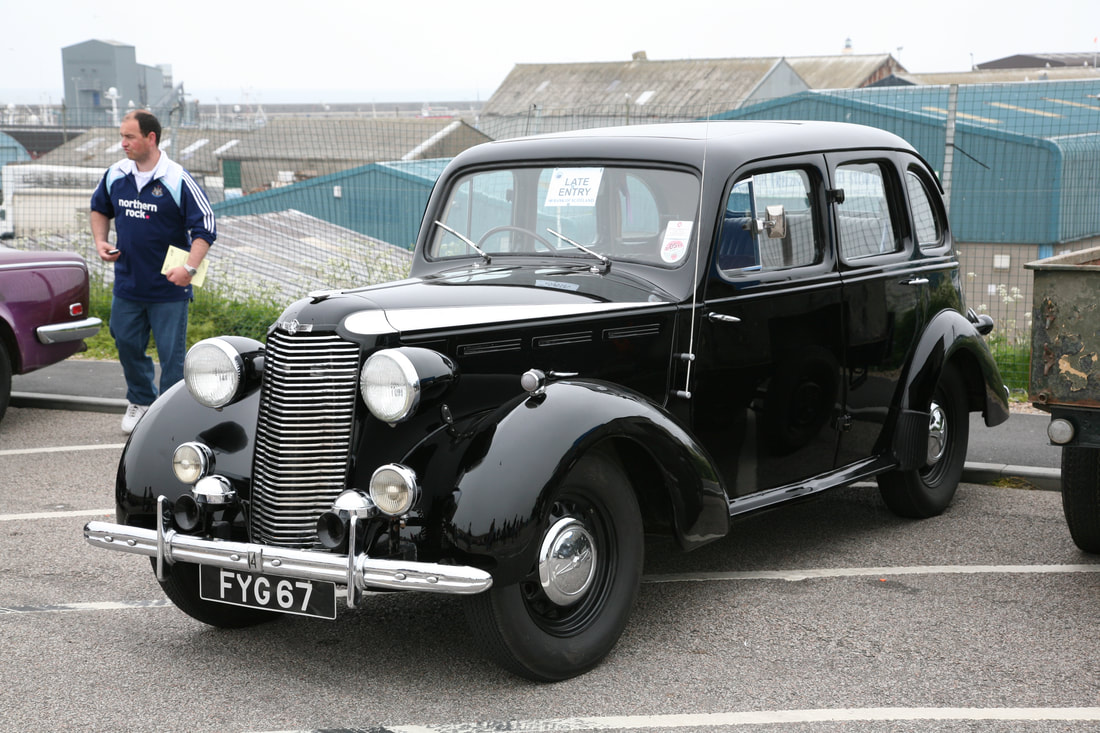
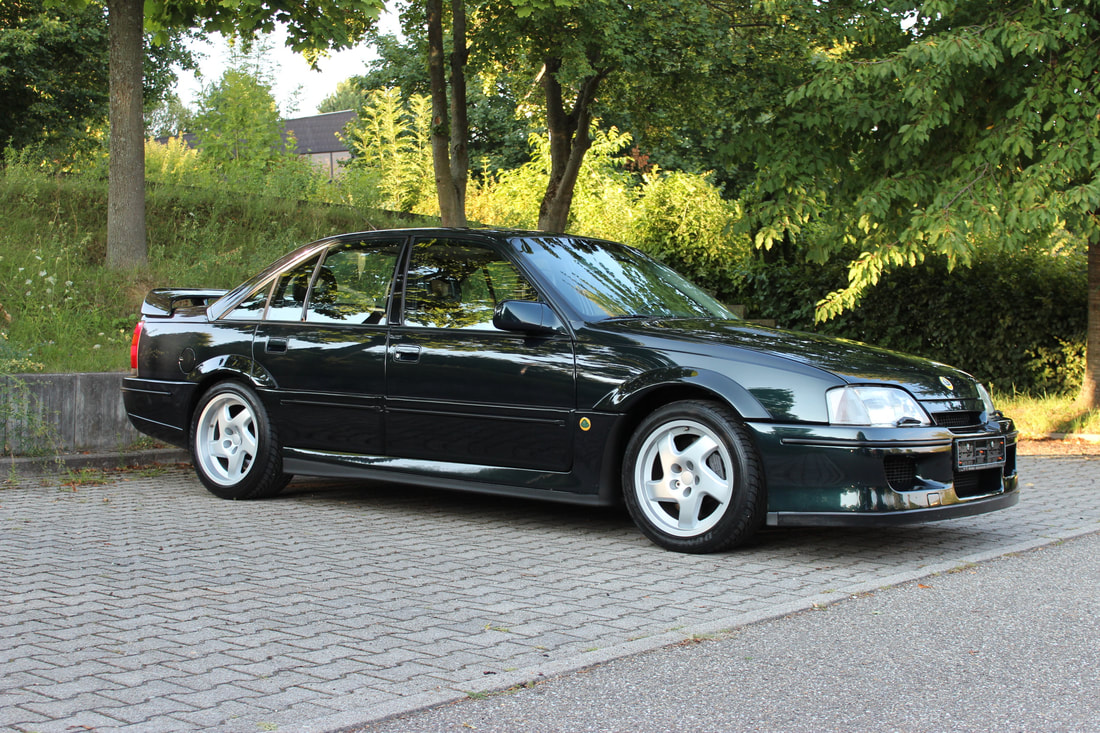
For over a century, Vauxhall Motors has been a prominent name in the British automotive landscape, leaving an indelible mark on the roads and in the hearts of enthusiasts. In this blog. we take a journey through the history of Vauxhall Motors, tracing its origins, key milestones, and its enduring legacy as a respected automaker.

The Early Years
Vauxhall Motors traces its roots back to 1857 when Scottish engineer Alexander Wilson established a pump and marine engine manufacturing company in Vauxhall, London. Wilson's venture soon transitioned into producing engines for railway locomotives and marine vessels, setting the foundation for what would later become Vauxhall Motors.

Venturing into Automobiles
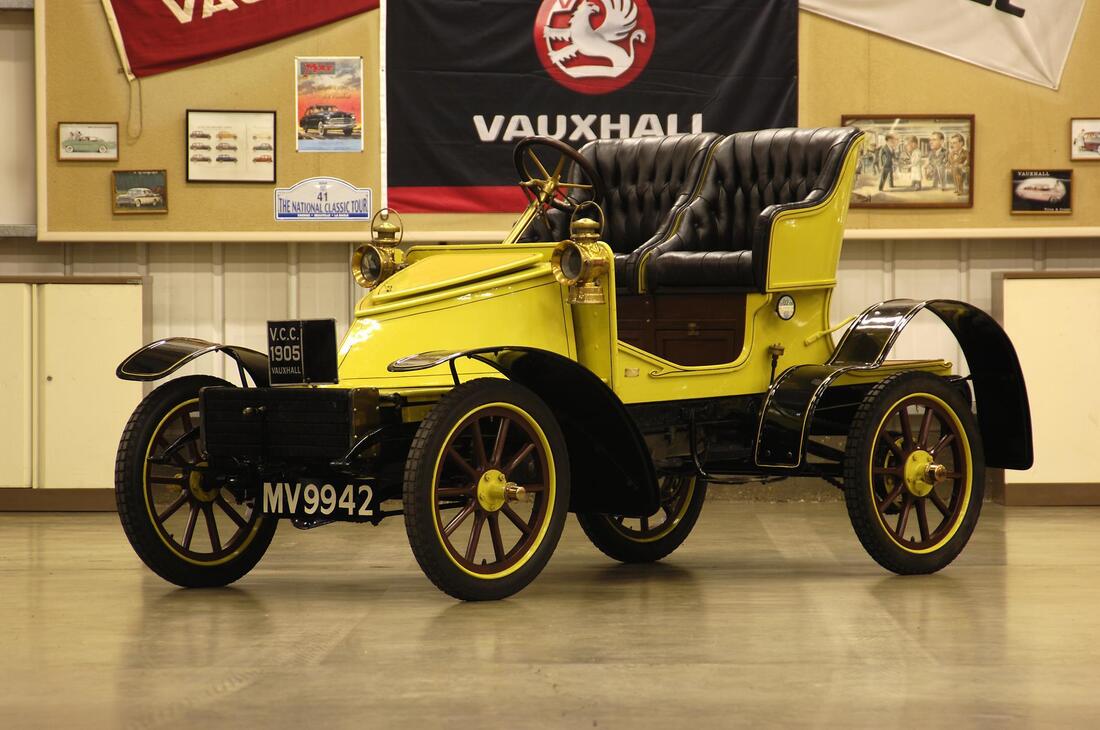
In 1903, Vauxhall Motors officially entered the world of automobiles with its first production car, the 6HP. This modest two-seater vehicle laid the groundwork for Vauxhall's future success in the automotive industry. The company quickly gained recognition for its innovative engineering and reliability.

The Glory Years
The 1920s and 1930s marked a period of significant growth and success for Vauxhall Motors. The introduction of models like the Vauxhall Prince Henry and the Vauxhall 30/98 showcased the brand's commitment to performance and craftsmanship. The 30/98, in particular, became a legend, renowned for its impressive speed and power, earning the title of "the first true sports car."

The Post-War Era
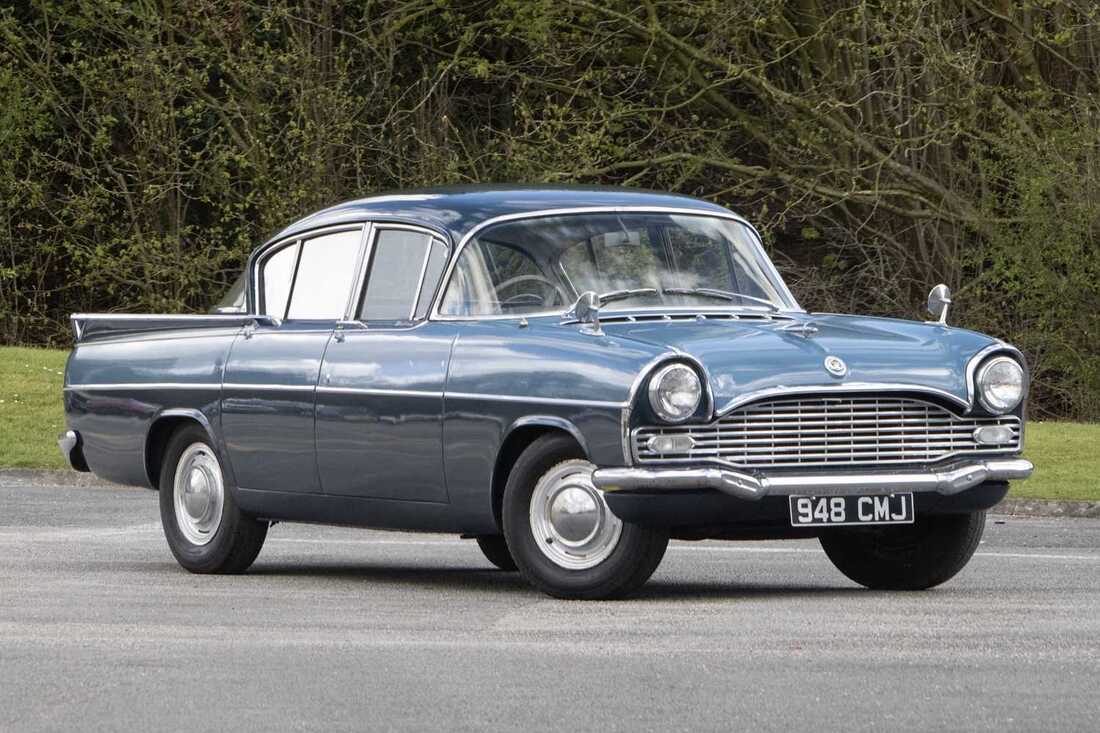
Following World War II, Vauxhall Motors faced the challenges of a recovering nation and a changing automotive landscape. The company introduced models like the Vauxhall Velox and the Vauxhall Cresta, catering to the growing demand for stylish family cars. These models incorporated modern design elements and innovative features, solidifying Vauxhall's reputation for producing practical yet elegant vehicles.

The Vauxhall Viva and the Birth of Compact Cars
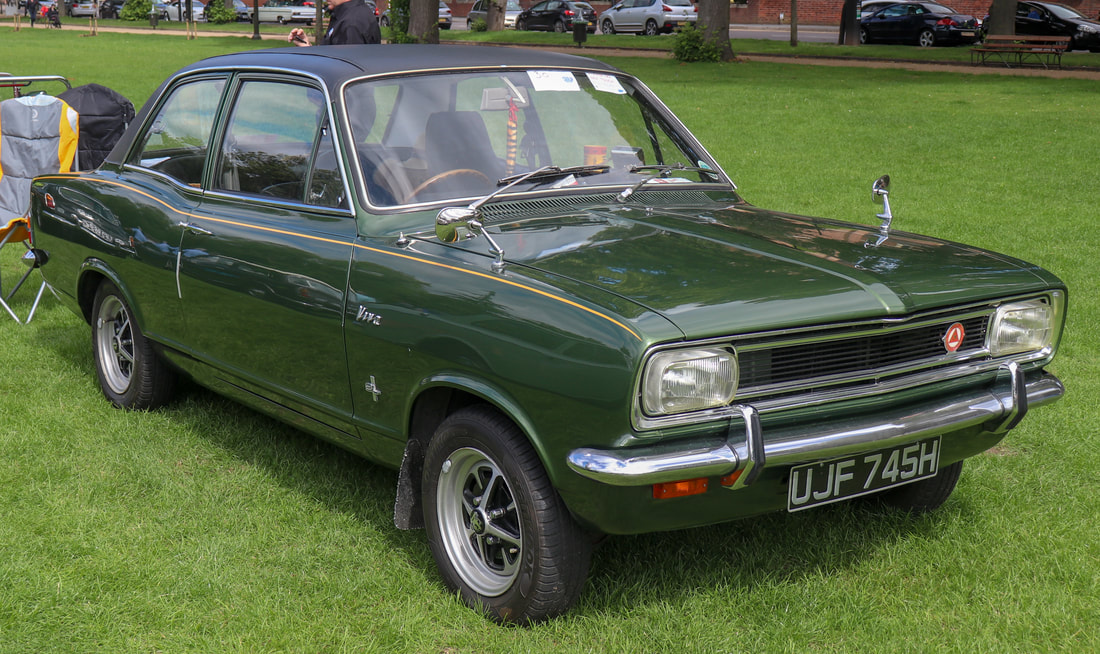
In the 1960s, Vauxhall Motors made a significant impact on the automotive market with the introduction of the Vauxhall Viva. This compact car captured the spirit of the era, offering affordability, style, and practicality. The Viva became a best-seller, further enhancing Vauxhall's position as a trusted choice among British car buyers.

The Modern Era
Throughout the latter part of the 20th century and into the 21st century, Vauxhall Motors continued to innovate and evolve. The company introduced a range of successful models, including the Vauxhall Corsa, the Vauxhall Astra, and the Vauxhall Insignia. These vehicles showcased Vauxhall's commitment to delivering quality, performance, and advanced technology to meet the evolving needs of modern drivers.

Acquisition by the PSA Group
In 2017, Vauxhall Motors became a subsidiary of the PSA Group, joining brands such as Peugeot, Citroën, and Opel. This new alliance brought fresh opportunities for collaboration and synergy, allowing Vauxhall to leverage the resources and expertise of the group while preserving its distinct identity.

Legacy and Future
Vauxhall Motors' rich heritage and contributions to the automotive industry have left an indelible mark on British motoring. The brand's commitment to innovation, craftsmanship, and performance has earned it a loyal following and cemented its position as a trusted automaker.
Looking ahead, Vauxhall Motors continues to forge its path in an ever-changing industry, focusing on electric and hybrid technologies, connectivity, and sustainable mobility. The company remains dedicated to meeting the needs and desires of drivers, while embracing the challenges and opportunities of a rapidly evolving automotive landscape.

Conclusion
Vauxhall Motors' journey through history is a testament to the resilience, innovation, and craftsmanship that have defined the brand. From its humble beginnings as a marine engine manufacturer to its position as a revered automaker, Vauxhall Motors has remained true to its commitment to quality and excellence.
​
As we reflect on the storied history of Vauxhall Motors, we celebrate its contributions to British automotive heritage and its ongoing pursuit of innovation. The Vauxhall name continues to inspire admiration, embodying the spirit of driving excellence and reflecting the enduring legacy of a brand deeply intertwined with the fabric of British motoring.
3 Comments

The Designers - Alec Issigonis

3/7/2023

0 Comments


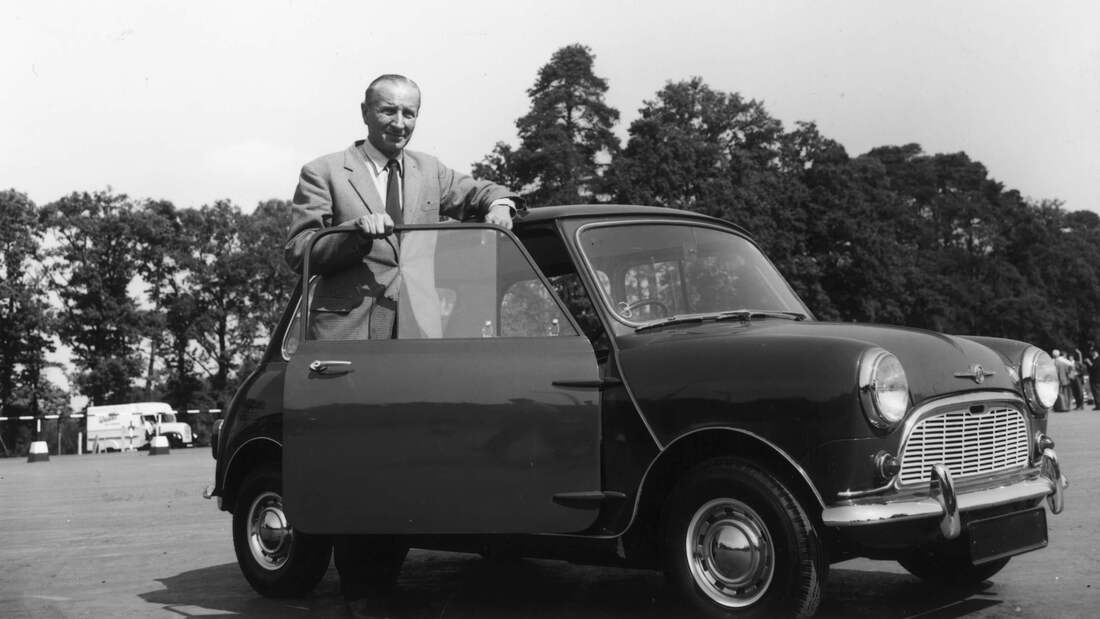
​Alec Issigonis: The Visionary Behind the Mini

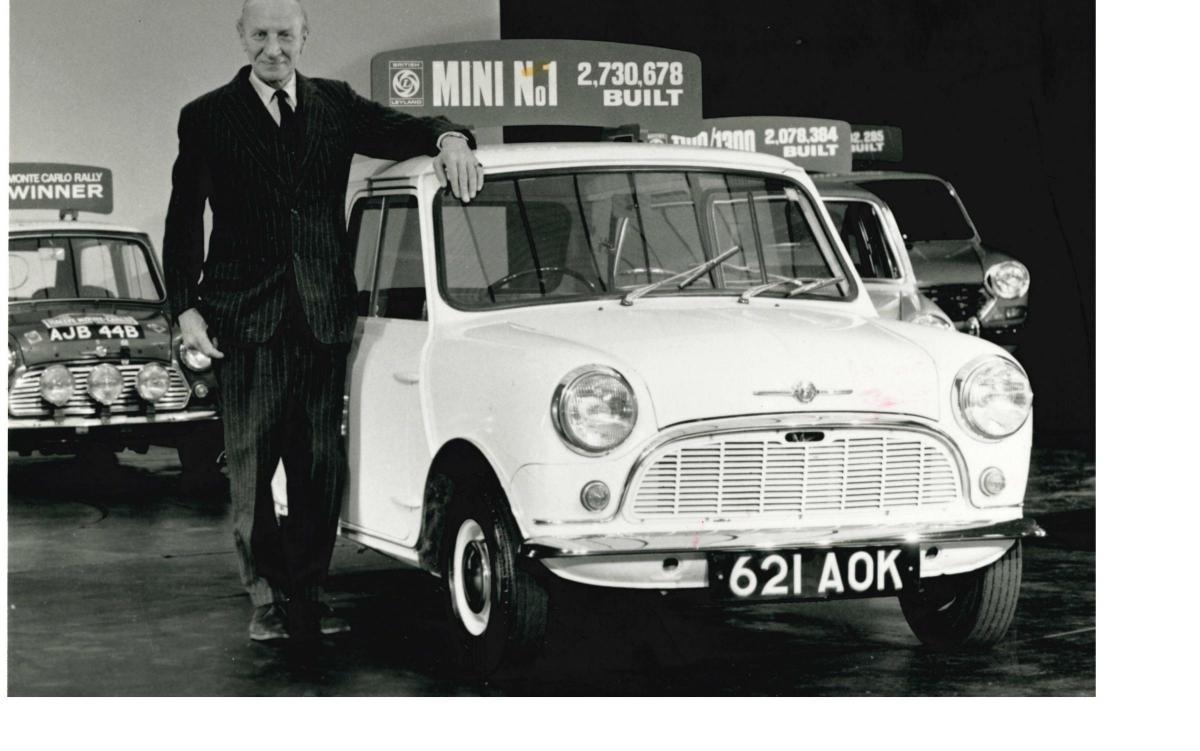
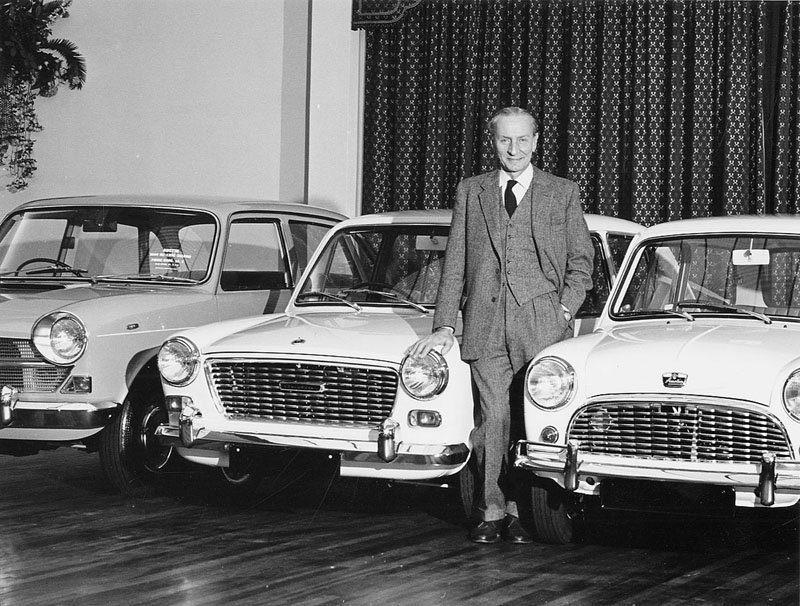
Alec Issigonis was a British car designer and engineer who revolutionized the automotive industry with his groundbreaking designs and innovative approach to car manufacturing. Best known for creating the iconic Mini, Issigonis left an indelible mark on the industry and became one of the most celebrated car designers of the 20th century. This blog explores the life, achievements, and lasting impact of Alec Issigonis, highlighting his contributions to car design and his enduring legacy.

Early Life and Career Beginnings
Alec Issigonis was born on November 18, 1906, in Smyrna (now Izmir), Turkey, to Greek parents. At the age of two, his family relocated to the United Kingdom due to political unrest in Turkey. Issigonis grew up in England and developed an early passion for engineering and design. After completing his education at the Battersea Polytechnic Institute, Issigonis began his career in the automotive industry. He joined Morris Motors, a prominent British car manufacturer, as a draftsman in 1936. This marked the beginning of his journey toward revolutionizing the automotive landscape.

Innovations at Morris Motors
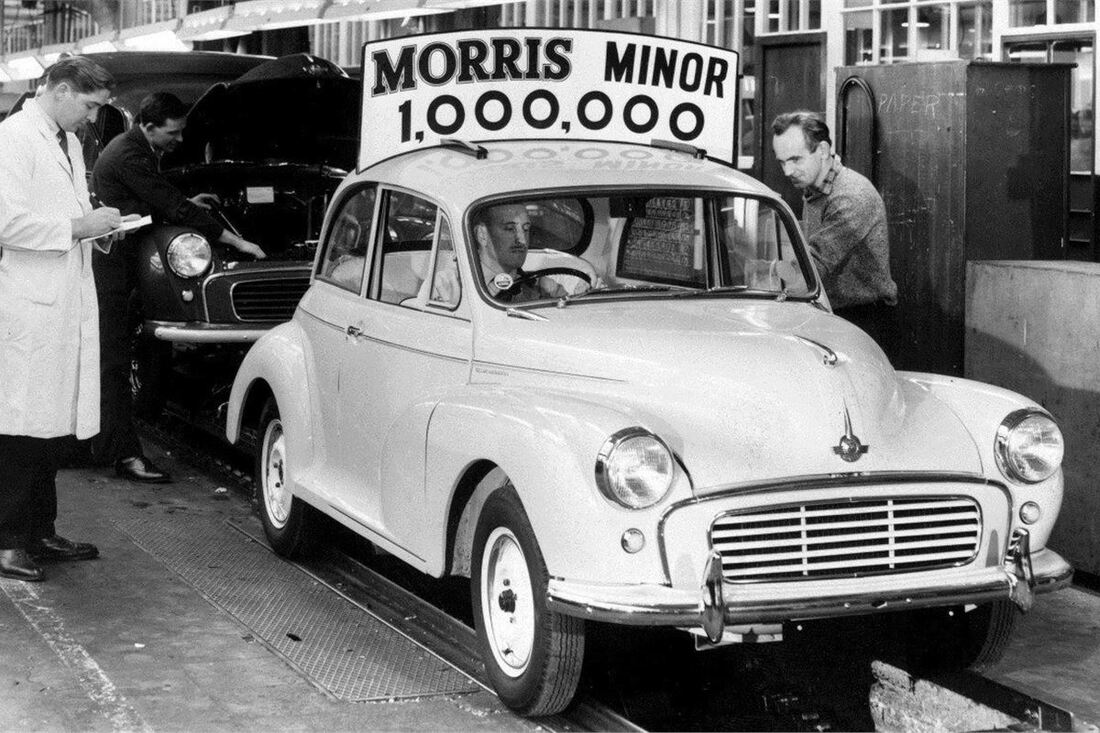
During his time at Morris Motors, Alec Issigonis displayed his engineering prowess and innovative thinking. He rose through the ranks and eventually became the company's chief engineer. His role provided him with the opportunity to make significant contributions to the design and development of Morris cars. One of Issigonis' notable achievements during his tenure at Morris was the creation of the Morris Minor, introduced in 1948. The Morris Minor was a compact family car that combined practicality, affordability, and modern design. Issigonis incorporated several innovative features into the car, including an advanced independent front suspension system, compact dimensions, and a spacious interior. The Morris Minor became a huge success, selling over 1.3 million units and firmly establishing Issigonis as a visionary car designer.

The Birth of the Mini
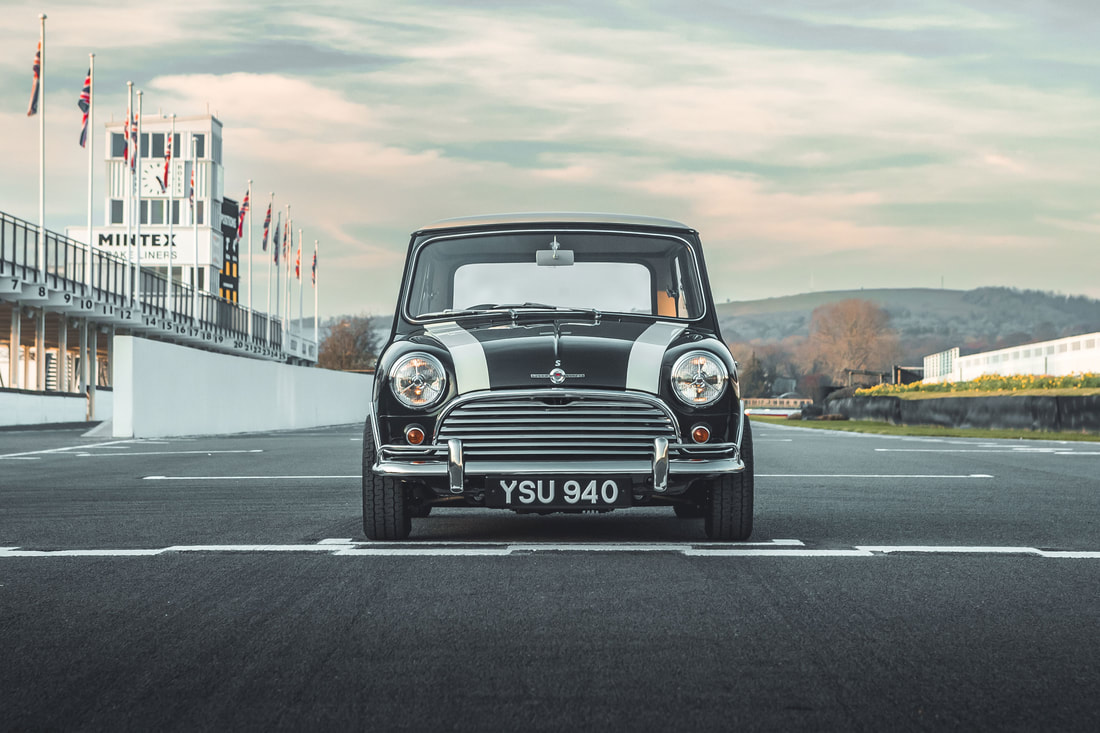
Issigonis' most significant accomplishment came in the form of the Mini, a car that would change the automotive landscape forever. In the late 1950s, the British Motor Corporation (BMC) approached Issigonis with a brief to design a small, fuel-efficient, and affordable car that could accommodate four passengers and their luggage. Issigonis seized the opportunity and set out to create a car that defied convention. His design philosophy prioritized maximizing interior space while minimizing the car's overall dimensions. To achieve this, he placed the engine transversely and shifted the wheels to the corners of the car, effectively pushing them to the extremities. This layout, known as the "Issigonis Space Frame," resulted in a compact car with an exceptionally spacious interior.

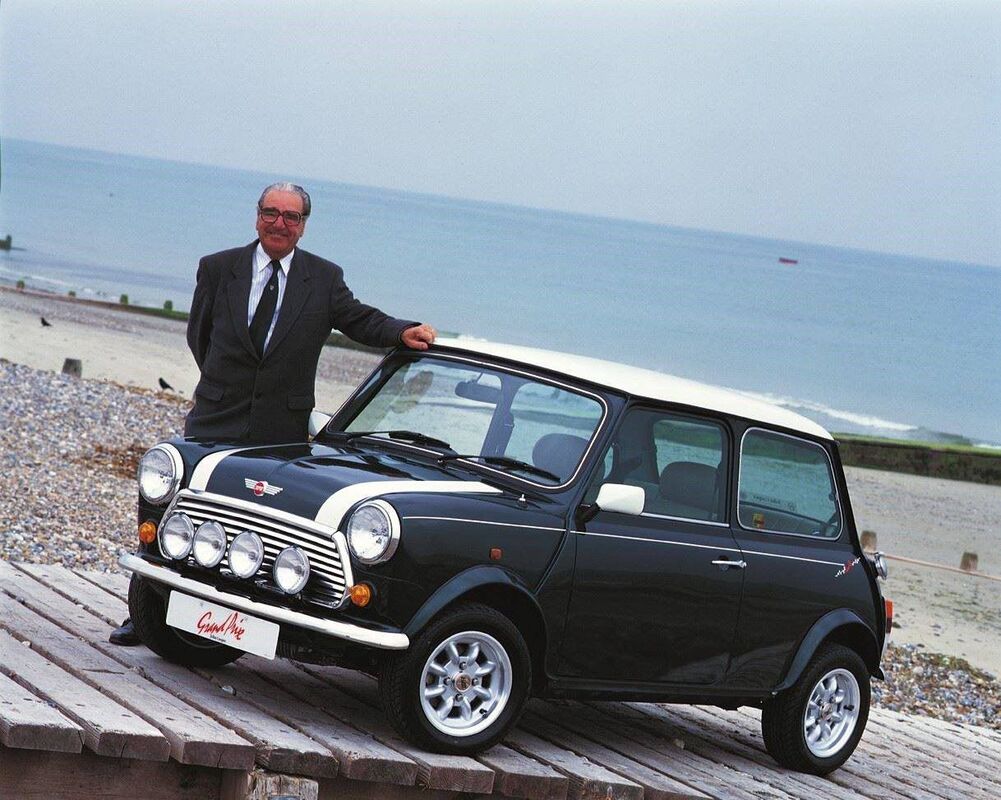
In addition to its innovative packaging, the Mini boasted other pioneering features. It featured a front-wheel-drive layout, which not only enhanced traction and maneuverability but also freed up space in the rear for passengers and luggage. The Mini also had a revolutionary rubber cone suspension system, providing exceptional ride comfort and handling. The Mini made its public debut in 1959 and became an instant sensation. Its charming design, nimble handling, and economical performance resonated with the public. The Mini quickly became an icon of British automotive culture and a symbol of the Swinging Sixties.

Motorsport Success
While initially designed as a practical and affordable family car, the Mini's exceptional handling and nimbleness made it a force to be reckoned with in the world of motorsports. The car's small size and front-wheel-drive layout allowed it to navigate tight corners and narrow tracks with ease.

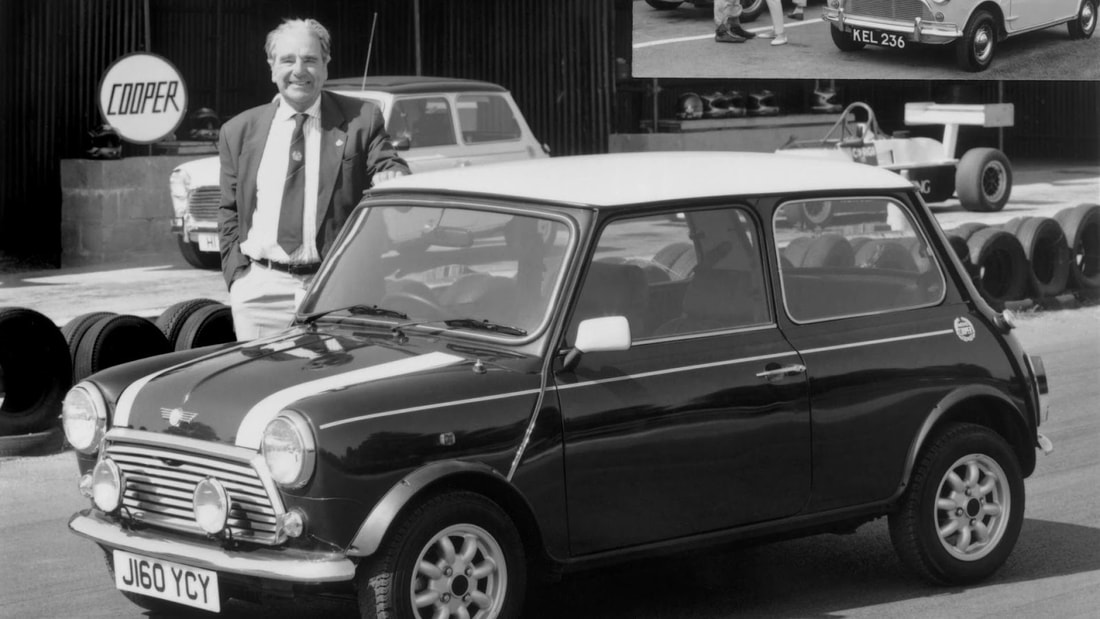
The Mini's motorsport success began in 1961 when the Mini Cooper, a high-performance variant developed in collaboration with racing legend John Cooper, was introduced. The Mini Cooper quickly made its mark in rally racing, dominating the competition and winning numerous prestigious events, including the Monte Carlo Rally. The achievements of the Mini Cooper in motorsports elevated its reputation and cemented its place in racing history. The car's victories showcased the exceptional performance and reliability of Issigonis' design and propelled the Mini to international acclaim.

Legacy and Impact
Alec Issigonis' contributions to car design and manufacturing have had a profound and lasting impact on the automotive industry. His innovative approach to packaging and space utilization set a new benchmark for compact cars, influencing future generations of car designers.

​The Mini, in particular, stands as a testament to Issigonis' ingenuity and vision. Its unique layout and design challenged traditional notions of car design and redefined the possibilities for small cars. The Mini's success paved the way for a new era of compact, fuel-efficient vehicles that prioritized interior space and driving enjoyment. Beyond the Mini, Issigonis' influence extended to the wider automotive industry. His engineering principles, such as maximizing interior space, incorporating advanced suspension systems, and adopting front-wheel drive, have become standard practices in car design.

Summary
Alec Issigonis was a visionary car designer who revolutionized the automotive industry with his groundbreaking designs. His creation of the Mini and his contributions to the Morris Minor showcased his ability to think outside the box and challenge conventional norms. Issigonis' innovative approach to car design, emphasizing space utilization, efficiency, and handling, has left an indelible mark on the industry. His designs continue to inspire car manufacturers and shape the development of compact cars to this day.
​
Alec Issigonis' legacy as a pioneer and visionary car designer is firmly established, and his impact on the automotive world will be celebrated for generations to come. The Mini, in all its variations, remains an iconic symbol of his genius and a testament to his enduring legacy.
0 Comments

The Designers - John Cooper

3/7/2023

0 Comments


John Cooper: Revolutionizing Motorsport and Car Design

John Cooper was a renowned British car designer and motorsport engineer who played a pivotal role in revolutionizing the world of motorsports. Cooper's innovative designs and engineering prowess transformed the field of racing, and his influence extended to the realm of road cars as well. This blog explores the life, achievements, and lasting impact of John Cooper, highlighting his contributions to motorsport and car design.

Early Life and Career Beginnings
John Newton Cooper was born on July 17, 1923, in Surbiton, Surrey, England. His father, Charles Cooper, was an accomplished garage owner and motorsport enthusiast. Growing up in a family deeply involved in the automotive industry, it was no surprise that John developed a passion for cars at an early age. After completing his education, John Cooper joined the family business, the Cooper Car Company, founded by his father and his uncle, Charles and John Cooper respectively. The company initially focused on manufacturing racing cars, and it didn't take long for John to showcase his engineering skills and creative vision.

Motorsport Success:
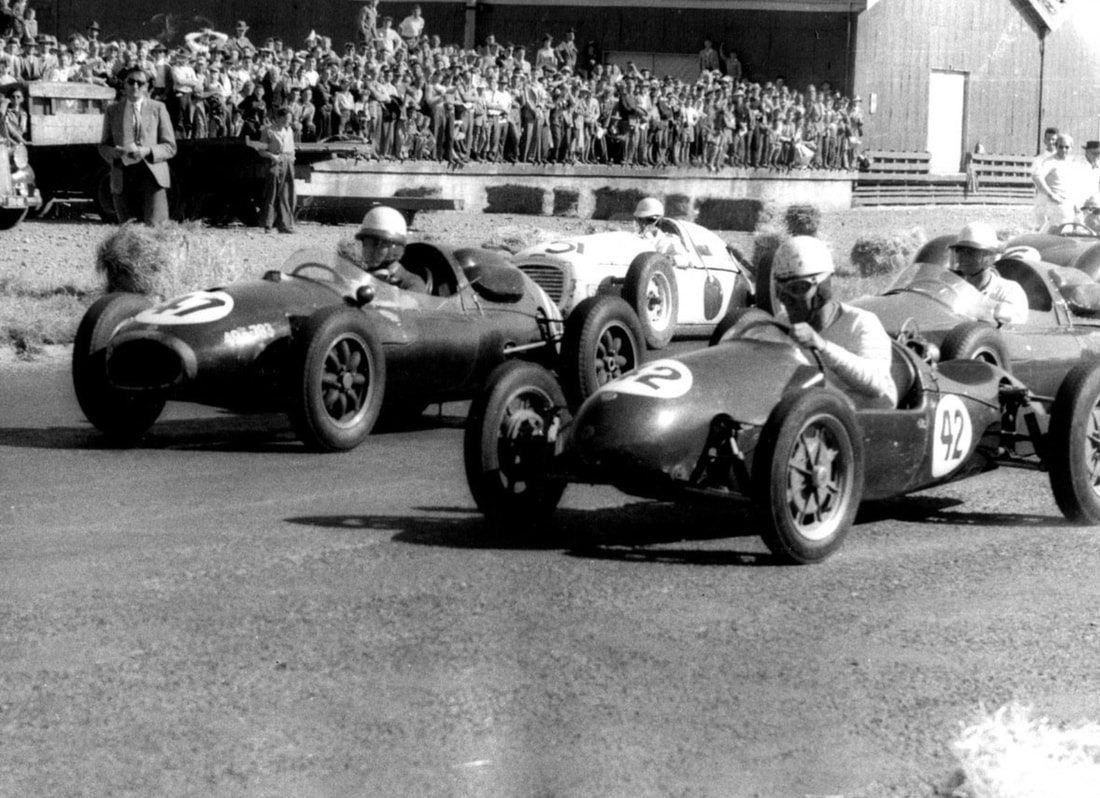
John Cooper's impact on motorsports cannot be overstated. He pioneered the development of rear-engined racing cars, challenging the prevailing convention of front-engined designs. This groundbreaking innovation allowed for improved weight distribution and enhanced handling, fundamentally changing the dynamics of racing cars. In 1955, the Cooper Car Company introduced the Cooper T39, a Formula Two racing car with a rear-mounted engine. The car's exceptional performance and agility quickly garnered attention, and it wasn't long before Cooper made their mark in Formula One racing as well.

Cooper's most significant triumph came in 1959 when Sir Jack Brabham, driving a Cooper-Climax T51, clinched the Formula One World Championship. This historic victory marked the first time a rear-engined car had won the championship, solidifying the superiority of Cooper's design and forever altering the course of Formula One racing. Cooper's innovative rear-engined concept quickly gained traction, and other manufacturers followed suit, abandoning front-engined designs in favor of the more efficient and competitive rear-engined layout. This paradigm shift in motorsport design owes much to the pioneering efforts of John Cooper and his eponymous company.

Expansion into Road Cars
While John Cooper made his name in the world of motorsports, his influence extended to road cars as well. Recognizing the demand for high-performance vehicles inspired by the success of his racing cars, Cooper ventured into designing and manufacturing road-going versions. In collaboration with the British Motor Corporation (BMC), Cooper developed the iconic Mini Cooper, a performance-enhanced version of the classic Mini.

Launched in 1961, the Mini Cooper captured the hearts of car enthusiasts around the world with its compact size, agile handling, and spirited performance. The Mini Cooper's success was further cemented on the racetrack. The car dominated the Monte Carlo Rally, winning the prestigious event three times in the 1960s. The victories not only showcased the Mini Cooper's remarkable performance but also elevated the Cooper brand to new heights, solidifying its reputation as a symbol of speed and agility. John Cooper's collaboration with BMC extended beyond the Mini Cooper. Together, they developed other high-performance models, including the Mini Cooper S, which further pushed the boundaries of what a small car could achieve in terms of speed and handling.

Legacy and Impact
John Cooper's contributions to motorsport and car design left an indelible mark on the industry. His innovative rear-engined racing cars revolutionized Formula One and inspired generations of car designers and engineers. The shift from front-engined to rear-engined layouts became the new standard, leading to improved performance and safety in racing. Furthermore, Cooper's success in creating high-performance road cars demonstrated that small cars could deliver thrilling driving experiences. The Mini Cooper and its variants became synonymous with fun, agile driving, challenging the notion that performance was reserved for larger, more expensive vehicles. The impact of Cooper's designs can be seen in the numerous "hot hatch" models that followed, as well as the enduring popularity of compact, sporty cars.

Summary
John Cooper's pioneering spirit, engineering genius, and passion for motorsports propelled him to the forefront of car design and motorsport engineering. His innovative rear-engined racing cars revolutionized Formula One and his collaboration with BMC resulted in the iconic Mini Cooper, a car that continues to be revered and beloved by enthusiasts worldwide. Cooper's influence extended beyond motorsports. His designs challenged conventions, pushing the boundaries of what was possible in both racing and road cars.

​His legacy lives on in the continued pursuit of performance and agility in car design, and his name remains synonymous with speed, innovation, and the pursuit of excellence.
0 Comments

    RSS Feed

Picture
Picture
Privacy Policy 

© 2025 Enthusiasts of British Motor Vehicles
  • Home
  • News
  • Events
  • Blogs
  • Photo Galleries
    • 2025 >
      • 2025 Kings Bromley Treasured Vehicle Show Photo Gallery
      • 2025 Gloucester Vintage & Country Extravaganza Photo Gallery
      • 2025 Superb Snowdonia Tour ​Photo Gallery
      • 2025 Pride of Longbridge Show ​Photo Gallery
      • 2025 NEC Resto Show ​Photo Gallery
      • 2025 Yorkshire Moors & Coastal Towns Tour ​Photo Gallery
    • 2024 >
      • 2024 BL Autumn Rally ​Photo Gallery
      • 2024 Fabulous Fourth Peak District Tour Gallery Gallery
      • 2024 Glos Vintage & Country Extravaganza Gallery
      • 2024 North Devon Tour Photo Gallery
      • 2024 NEC Restoration Show Photo Gallery
      • 2024 Norfolk Tour Photo Gallery
      • 2024 Coal in the Valleys Photo Gallery
    • 2023 >
      • 2023 NEC Classic Motor Show Photo Gallery
      • 2023 Fat Lamb 3 Tour Photo Gallery
      • 2023 Warwickshire Tour Photo Gallery
      • 2023 Lucas isn't bored Photo Gallery
      • 2023 Gar's birthday tour of Devon Photo Gallery
      • 2023 Shropshire Tour Photo Gallery
      • 2023 Anglesey & Snowdonia Tour Photo Gallery
    • 2022 >
      • 2022 Classic Motor Show Gallery
      • 2022 Fat Lamb Tour Gallery
      • 2022 NC500 - the Grand Tour of the Scottish Coast Photo Gallery
      • 2022 Glos Vintage & Country Extravaganza Gallery
      • 2022 Best of Yorkshire Tour Gallery
      • 2022 Peak District Revisited Tour Gallery
      • 2022 Gaydon Weekend Gallery
      • 2022 NEC Resto Show Gallery
      • 2022 Forest of Dean Winter Tour Gallery
    • 2021 >
      • 2021 Classic Motor Show Gallery
      • 2021 Fat Lamb Tour Gallery
      • 2021 Welsh Tour Gallery
      • 2021 Jurassic Coast Tour Gallery
      • 2021 Crich Museum & Tour Gallery
      • 2021 Staffs Oatcake Tour Gallery
      • 2021 Boston CCC Show Photo Gallery
    • 2019 >
      • Yorkshire Moors Driving Tour 2019
      • Lancaster Insurance Classic Motor Show NEC Nov 2019
      • New Forest Driving Tour 2019
      • Gloucester Vintage & Steam Extravaganza Photo Gallery 2019
      • Tour of the Dark Peak Photo Gallery 2019
      • Codgers do the Cotswolds 2019
      • Bubble Car Museum Gallery 2019
      • Brecon Beacons driving tour 2019
      • Morgan Factory tour 2019
      • Practical Classics Classic Car & Restoration Show 2019
    • 2018 >
      • Lancaster Insurance Classic Motor Show NEC November 2018
      • Isle of Wight Tour 2018
      • Brunel's Somerset Tour Gallery 2018
      • Gloucester Vintage Extravaganza 2018
      • Maesteg Charity Classic Car Show & Driving Tour 2018
      • Bubble Car Museum & Driving Tour 2018
      • Peak District Driving Tour 2018
      • Practical Classics Classic Car & Restoration Show 2018
      • Coventry Transport Museum 2018 >
        • Joel Lodder's 2018 Coventry meet gallery
    • 2017 >
      • Lancaster Insurance Classic Motor Show NEC November 2017
      • Snowdonia Driving Tour 2017
      • Gloucester Vintage Extravaganza 2017
      • Lupin Farm Charity Car Show 2017
      • The Shackleton Trust 2017
      • Crich Tramway Museum 2017
      • Bubble Car Museum 2017
      • Pride of Longbridge 2017
      • April 2017 Practical Classics Restoration Show (NEC)
    • 2016 >
      • Crich Tramway Museum 2016
    • 2015 >
      • Bubble Car Museum 2015
      • Coventry Transport Museum 2015
  • YouTube
  • Insurance
  • Shop
  • Mailing List
  • Contact
  • Join
  • About